
Riding the Great Ocean Road on a motorcycle (and the better roads behind it)
The Great Ocean Road is part bucket-list, part tourist trap. How to do it well, when to go, and the Otways roads that out-ride the coast.
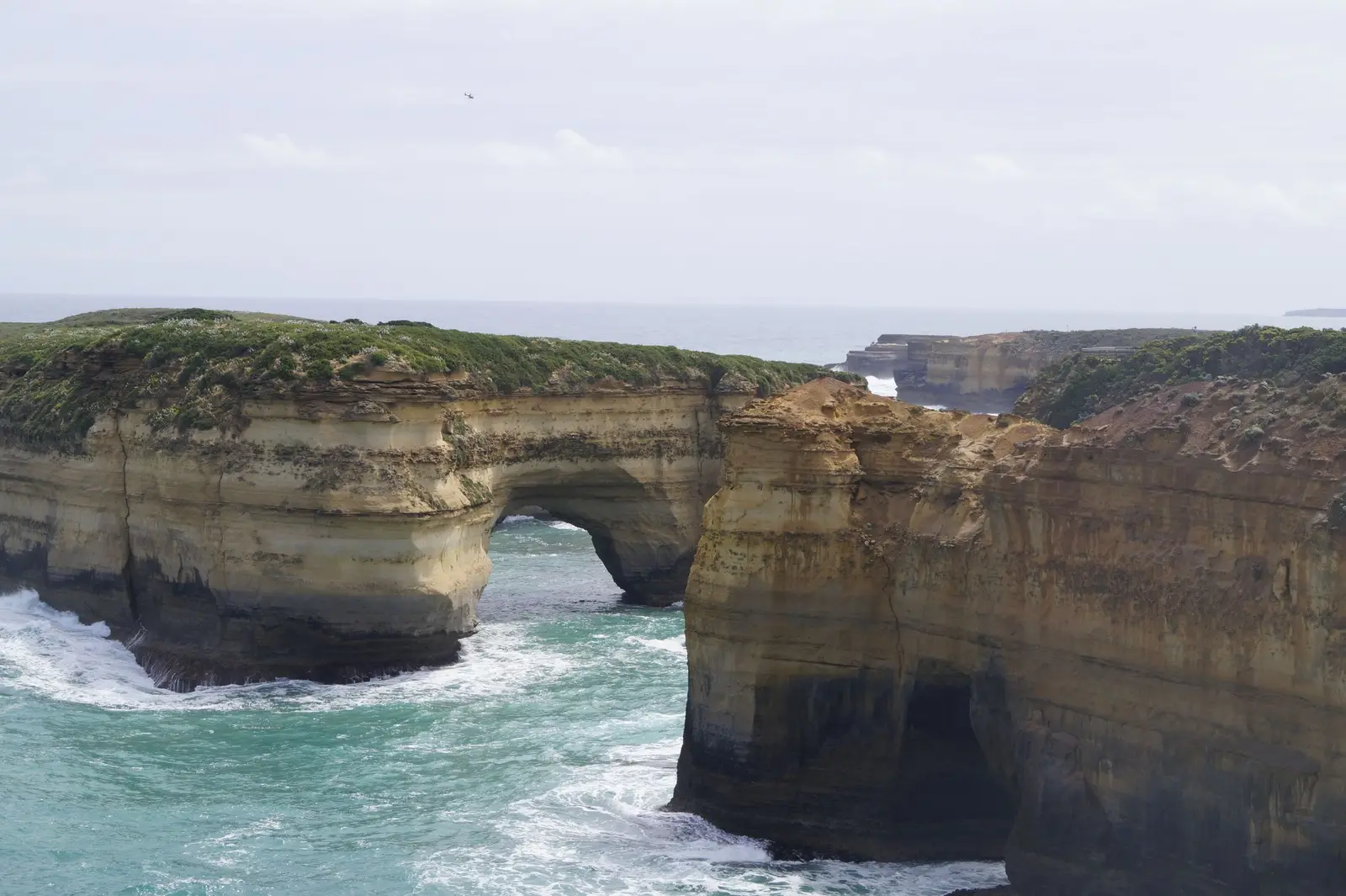
Everyone’s ridden the Great Ocean Road, or means to. It’s on the poster, it’s on the bucket list, and on a clear morning between Lorne and Apollo Bay it earns every word of the hype — a ribbon of tarmac pinned between a cliff and the Southern Ocean, corner after corner with nothing but water on your right.
It’s also, for most of its length, a tourist road. Knowing the difference is the whole trick to riding it well.
What the road actually is
The Great Ocean Road runs about 240 km from Torquay in the east to Allansford, near Warrnambool, in the west. It was built by returned soldiers after the First World War and it’s a war memorial as much as a road, which is part of why it’s so slow: it threads through the middle of every coastal town along the way, each with its own 40 and 50 km/h zone, its own pedestrians, its own reason to stop.
Break it into three parts and it makes sense:
- Torquay to Lorne — surf beaches and holiday towns. Pleasant, busy, slow.
- Lorne to Apollo Bay — the good bit. About 45 km of cliff-edge corners, the road carved into the hillside, the ocean right there. This is the ride.
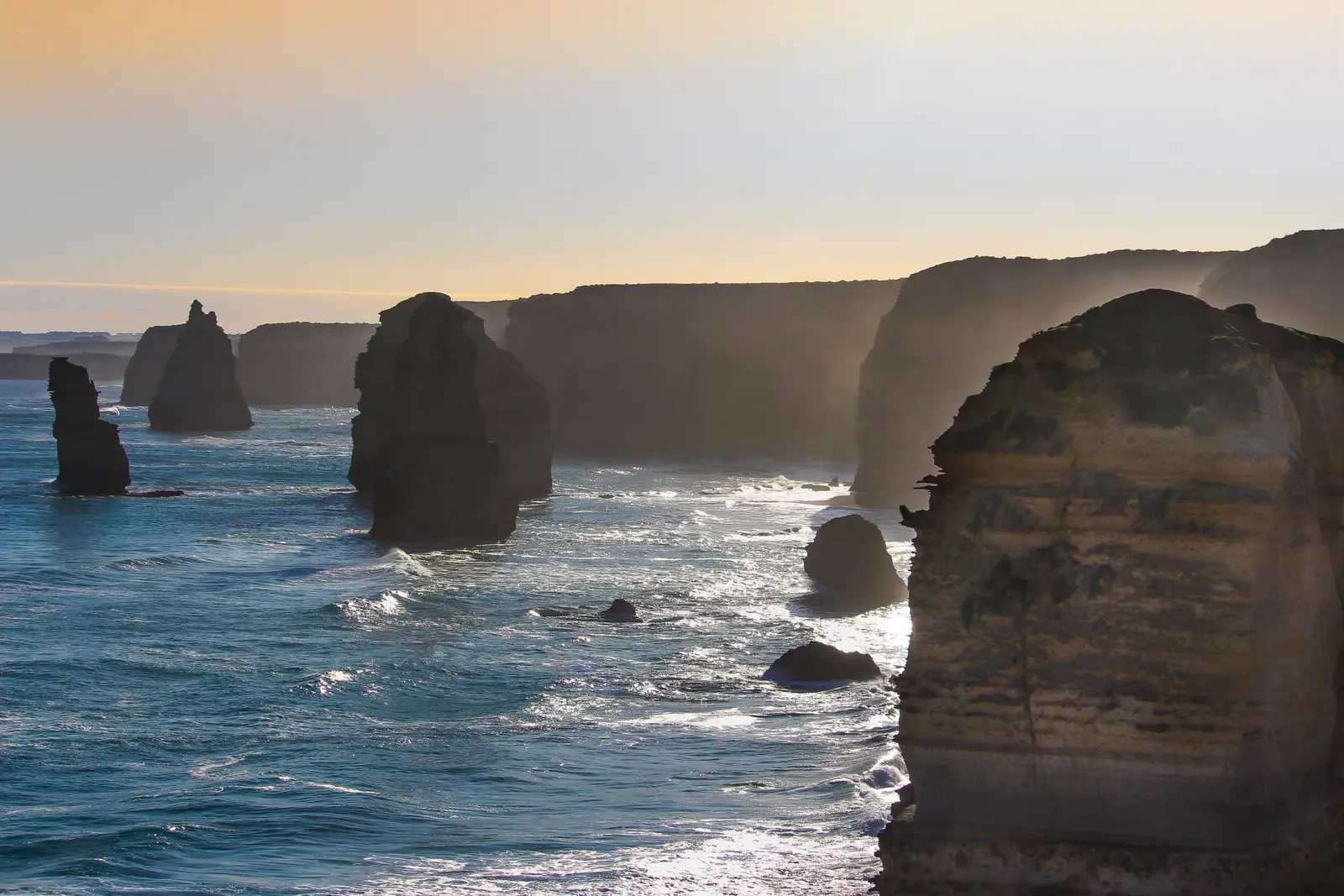
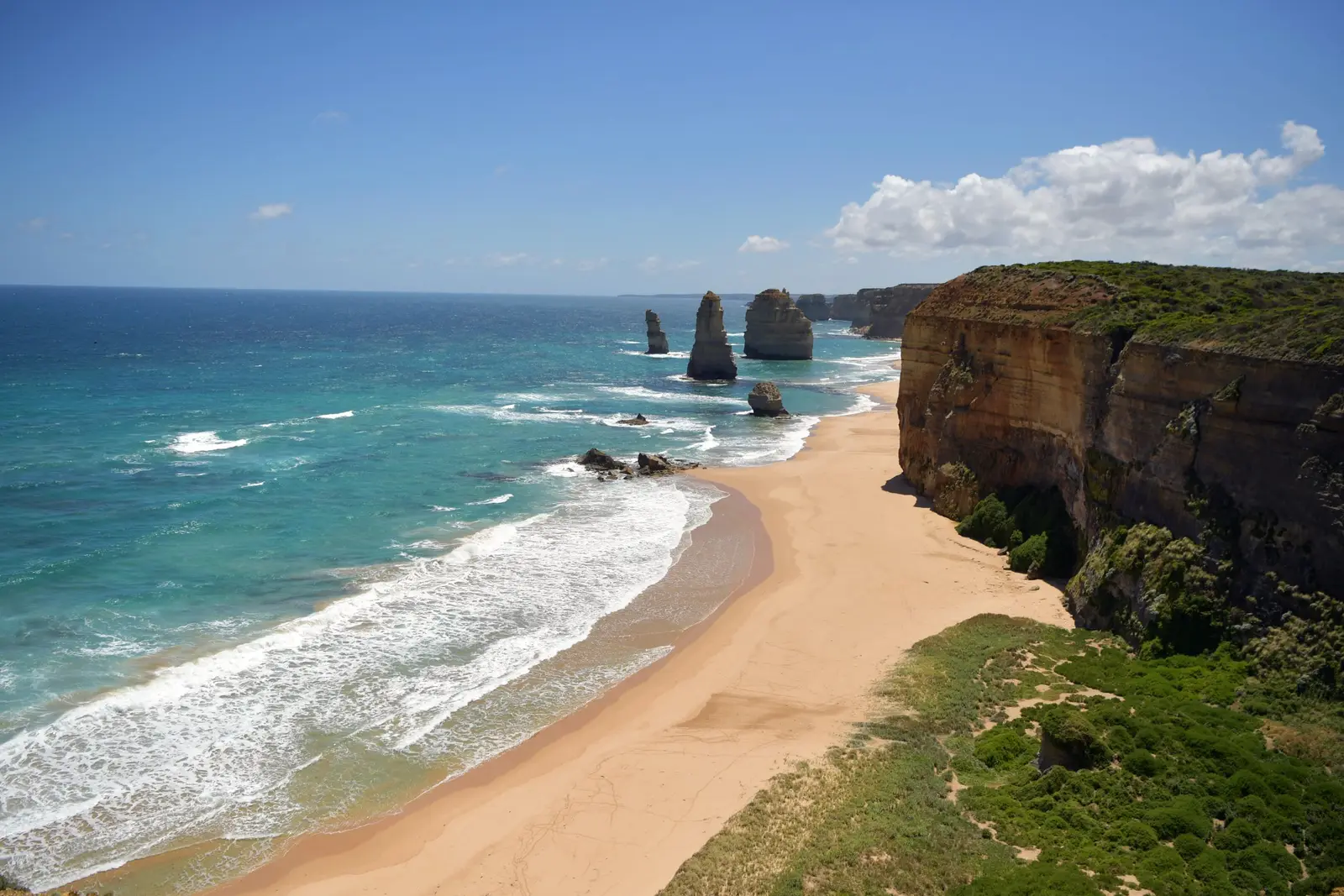
- Apollo Bay to the Twelve Apostles and beyond — the road turns inland through the Otways, then back out to the famous limestone stacks. Spectacular scenery, long straights, and the biggest crowds of all at the Apostles car park.
If you only have the morning, ride Lorne to Apollo Bay and back and you’ve had the best of it.
Ride it early or don’t bother
The single most important thing about the Great Ocean Road: it is a coach route. By mid-morning in summer it fills with tour buses, campervans and hire cars driven by people looking at the view instead of the road. A great corner with a Britz camper crawling through it is not a great corner.
The road is a completely different place at first light. Leave Melbourne before dawn, be at Torquay as the sun comes up, and you can have the Lorne–Apollo Bay run almost to yourself. Winter weekdays are quieter still — cold, sometimes wet, but empty. Summer weekends are the worst of it. If that’s the only time you can go, go anyway, but go knowing you’ll be riding at tourist pace.
The better road is behind it
Here’s what most riders who “did the Great Ocean Road” never find out: the best riding in the area isn’t on the coast at all. It’s in the hills behind Apollo Bay — the Otway Ranges.
Turn inland at Apollo Bay and the road climbs into cool-temperate rainforest on tighter, steeper, emptier tarmac than anything on the coast. Turton’s Track between Beech Forest and the Aire Valley is a classic — a narrow, technical run through the trees that most tourists never touch. The roads around Lavers Hill, Beech Forest and Forrest loop and climb and drop through the forest with a fraction of the traffic and, corner for corner, better riding than the coast road itself.
The beauty of it is that these roads loop straight back onto the Great Ocean Road, so you can ride the coast out, drop into the Otways, and come back a different way. That’s the day worth planning.
Planning the day from Melbourne
Torquay is about 95 minutes from the Melbourne CBD down the M1 and the Surf Coast Highway — motorway kilometres, not riding kilometres, so tuck in and get them done. From there:
- A coast-only day (Torquay → Apollo Bay → back) is roughly 350 km round trip.
- Add the Otways loop and the Twelve Apostles and you’re at 500 km-plus and a genuinely full day.
Fuel matters out here. Apollo Bay and Lavers Hill are your last reliable stops before the long, empty run west toward the Apostles and Port Campbell. It’s the kind of stretch where knowing your tank range keeps a good day from turning into a nervous one.
How MotoRidez helps
The Great Ocean Road is the easy part to find — it’s the loop behind it that turns a nice ride into a great one, and that’s exactly what the planner is for. Ask it for a curvy route out through the Otways and it’ll thread you through Turton’s Track and the Beech Forest roads rather than sending you straight down the coast and back.
And because it remembers every road you’ve ridden, the second time you come down here it’ll steer you onto the hinterland roads you haven’t done yet — so the Great Ocean Road stops being one road you tick off and becomes a whole region you keep finding more of.
Questions riders ask
Is the Great Ocean Road good for motorcycles?
The Lorne-to-Apollo Bay section is excellent — flowing cliff-edge corners with the ocean beside you. The rest is scenic but slow, heavily policed and thick with tourist traffic. Ride the good section early, then head into the Otways behind it for the real riding.
How long does the Great Ocean Road take on a motorcycle?
The road itself is about 240 km end to end, but you won't ride it end to end for the riding. From Melbourne, a good day is Torquay to Apollo Bay along the coast, a loop through the Otways, and back — roughly 450 to 520 km and a full day with stops.
When is the best time to ride the Great Ocean Road?
Early morning, midweek, outside summer school holidays. The road empties of coaches and campervans before about 9am, and winter weekdays can be near-deserted. Avoid summer weekends entirely unless you enjoy riding at tourist pace.
Is the Great Ocean Road heavily policed?
Yes. It carries fixed and mobile enforcement, tight speed zones through every town, and plenty of pedestrians stepping onto the road at the lookouts. Treat it as a scenic ride, not a fast one — the corners reward smoothness, not speed.
Free, no subscription
Plan the curvy bits. Record the ride.
Watch your
map fill in.
Curvy routing, turn-by-turn voice navigation, ride recording and your ridden-roads map, with nothing behind a paywall.



Join the waitlist
Bring MotoRidez to your roads
The more riders register from your region, the sooner we get there. Put your name down, then send it to your ride group to move your region up the queue.
You're on the list ✓
Nice — you're in the queue
Every rider you bring moves your region up the list. Share it with your mates and your ride groups.