
Waikawau Bay camping, Coromandel: booking, road in and DOC rules
Waikawau Bay camping on the northern Coromandel: DOC booking, the unsealed road in, no dogs or fires, site types and the best time to go.
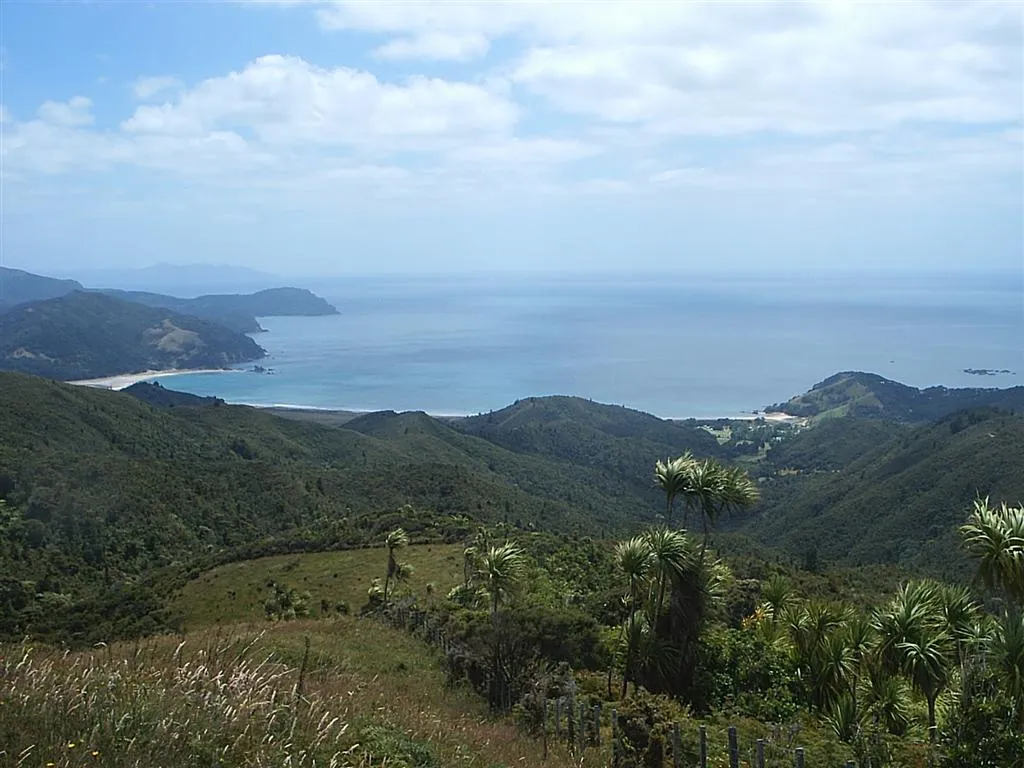
Waikawau Bay camping on the northern Coromandel Peninsula centres on a single large Department of Conservation (DOC) campsite behind a white-sand surf beach. The Department describes it as a spacious, family-friendly place with two estuaries, a significant wetland and native bush at its back, and as the largest campsite DOC operates. It also calls the experience isolated and back to nature. Everything below comes from DOC’s own pages, so check the live booking page before you travel.
What is Waikawau Bay Campsite like?
DOC lists a capacity of 660 people and says about a third of campers are children. It is busiest over summer and at Easter. The setting is a long beach with pōhutukawa along the coastline, estuaries at either end and a wetland behind, so the place suits swimming, fishing, surfing, kayaking and walking.
There are no numbered or designated pitches. You book for the size of your party and then choose a spot on arrival, so arrive in good time.
How do you get to Waikawau Bay?
DOC puts the camp 42 kilometres north of Coromandel town. The route it gives is:
- Take Colville Road from Coromandel for 22 kilometres to Whangaahei Junction.
- Turn right into Port Charles Road.
- Turn right into Waikawau Beach Road and follow it for 5 kilometres to the camp.
DOC warns that Port Charles Road is unsealed, narrow and winding in places, and asks drivers to take extra care in the holidays. It does not say the road needs a 4WD, and it does not give a travel time, so allow generous time and drive to the conditions. After heavy rain or a slip, ask DOC before you commit.
The DOC coordinates are about 36.606 degrees south, 175.537 degrees east. The powered area is open to caravans and campervans, so DOC expects some towing on this road, but go slowly and give oncoming vehicles room.
Do you need to book Waikawau Bay?
Yes. DOC states that bookings are essential and must be made online. No spaces are held for walk-ins, and if the online system shows no availability, DOC says the campsite is fully booked. Key points from DOC:
- Book well ahead for 1 December to 28 February and for public holiday weekends.
- The maximum is five people per booking, and each booking must include an adult.
- Same-day online bookings run until 8 pm if spaces remain.
- A phone or in-person booking carries a service fee, so online is cheaper.
- If you arrive without a booking, DOC says to contact Kauaeranga Valley Visitor Centre or try booking online. There are no cash facilities at the camp.
Eftpos may be available with rangers in peak summer, so do not plan around it. The DOC Campsite Pass is accepted, but it must be booked online before you occupy a site.
How much does Waikawau Bay cost?
Fees apply and are charged per person per night. DOC sets different rates for adults and children, infants are free, and rates differ between powered and non-powered sites and between peak summer and the rest of the year. Current figures are on the DOC booking page.
What are the site types and who do they suit?
DOC describes three areas:
- Beachside: unpowered sites, open all year. This is the main area for tents, cars and camper trailers.
- Bushside (the pump paddock): unpowered, across the road and backing onto bush, open only from 15 December to 15 February.
- Mains power: 12 powered sites for self-contained caravans and campervans with a current electrical warrant of fitness, open all year and reached through the Beachside area. DOC says no other camping types are allowed there.
For the powered sites, DOC requires a standard RCD caravan plug and says that without a current electrical warrant you will not get a power key and no refund applies. Powered sites cannot be used to charge electric vehicles.
The camp suits families, groups of up to five per booking, and anyone who wants a big beach and is happy to be self-sufficient. It does not suit anyone who wants a camp kitchen, a dog, a campfire or a shop at the gate.
Does Waikawau Bay have showers and toilets?
DOC’s regional page for Northern Coromandel says all campgrounds there have toilets, that campers may use their own chemical toilets and that pit toilets are not allowed. DOC’s campground rules say provided toilets and showers must be used and that private toilet or shower tents are not allowed. The campsite page itself does not list a toilet or shower count, and a third-party listing describes cold showers, so confirm with DOC and do not count on hot water.
For drinking water, DOC says Waikawau Bay has a filtered water system but that all water, including this supply, should still be boiled before use. Bring a way to boil or treat water, and carry spare drinking water for the first night.
There are no cooking facilities. Bring a gas stove and fuel. DOC’s chemical toilet rule is that waste must not be emptied into campground toilets. The nearest public dump station is at Patukerikeri Reserve on Wharf Road, Coromandel, 38 kilometres away.
Is Waikawau Bay dog friendly?
No. DOC’s Northern Coromandel rules state that dogs and other domestic animals, including cats and birds, are not allowed in the campground or in vehicles on DOC land. Pets need to stay home or go to a campsite outside this conservation area.
What are the rules for fires, generators and noise?
These come from the Northern Coromandel campground rules:
- Open fires and fireworks are banned at all times, in the campground and on the beach.
- Devices with a naked flame, including califonts, are banned. Gas cookers, fridge-freezers and lanterns are allowed.
- Generators are prohibited unless the Campground Manager permits them. Chainsaws, compressors and amplifiers are not allowed.
- Noise is not tolerated at any time, especially between 10 pm and 7 am.
- Check-in is from 2 pm and you must leave your site before 11 am, moving your vehicle, though you can use camp facilities for the rest of the day.
- One vehicle is allowed per booking. Parking space is limited, and non-camping visitors must use visitor parking and leave by 8 pm.
- Driving on the beach is prohibited except to launch or retrieve boats. DOC discourages boats over five metres, and beach launching is 4WD only.
- Maximum stay is 14 consecutive nights, or 21 between 20 December and 8 February, with a minimum seven-day break before returning.
What about rubbish?
Waikawau Bay is Pack In, Pack Out. DOC says there are no rubbish, recycling or food waste facilities, and suggests a sealed container for food scraps. The nearest waste transfer station is at 525 Hauraki Road, Coromandel Town, so bring bags and sealed bins, and plan to carry everything out with you.
What is there to do near Waikawau Bay?
DOC lists swimming, fishing, surfing, kayaking and walking. The Matamataharakeke Walk starts at the campsite and explores the native bush behind it. DOC does not give its length on the pages I could read, so ask at the booking page or check the DOC track listing.
DOC also notes the Coromandel Walkway is 20 kilometres further north, linking Fletcher Bay and Stony Bay on a 10 kilometre route.
Read DOC’s water safety guidance before swimming. DOC says Coromandel weather changes quickly, so check MetService and take responsibility for your own safety.
Wildlife and safety
New Zealand dotterel and variable oystercatchers breed north of the campsite. DOC asks visitors to stay out of roped-off nesting areas, so keep clear on beach walks.
Other points to plan for:
- DOC recommends boiling water from rivers, streams and the camp supply to avoid giardia.
When is the best time to camp at Waikawau Bay?
The Bushside area opens only from 15 December to 15 February and the Beachside and powered sites stay open all year. Coromandel’s climate, measured at Coromandel town on the western side of the peninsula, is warm in summer and mild in winter. The figures below are NIWA data summarised on Wikipedia and are for the town, not the east coast beach.
| Season | Mean daily minimum | Mean daily maximum |
|---|---|---|
| Summer (Dec to Feb) | 13.5 to 15.3 C | 22.1 to 23.9 C |
| Autumn (Mar to May) | 9.8 to 13.6 C | 17.7 to 22.6 C |
| Winter (Jun to Aug) | 6.6 to 7.7 C | 14.7 to 15.5 C |
| Spring (Sep to Nov) | 8.6 to 11.6 C | 16.7 to 20.0 C |
Annual rainfall at Coromandel is about 1,992 millimetres, and July and August are the wettest months in the table. Summer gives the warmest swimming weather but also the heaviest demand: DOC says to book well ahead for December to February. Autumn and spring have milder days and cooler nights, and the Bushside area is closed.
What should you bring for this camp?
- Gas cooker, fuel and a lantern, because fires and naked flames are not allowed
- Drinking water and a way to boil or treat camp water
- Sealed containers and bags for all rubbish and food scraps
- A power cable with an RCD plug for the powered area
- Your booking confirmation, because DOC says there are no cash facilities
What supplies are nearby?
DOC says the nearest groceries and petrol are in Colville or Coromandel. Fill the tank and buy food before turning off Colville Road, because the camp is 42 kilometres from Coromandel. Coromandel is a town of about 1,780 people, whose main industries are tourism and mussel farming.
One-night plan and weekend plan
One night: book online, shop in Colville or Coromandel, and aim to reach the camp after the 2 pm check-in. Choose a site, set up, walk the beach in the late afternoon and cook on gas. Leave before 11 am, but you can use camp facilities for the rest of the day.
Weekend (two nights): spend the first full day on the beach and the Matamataharakeke Walk, then drive north on the second day to the Coromandel Walkway if you want a longer hike.
Who should choose somewhere else?
Choose another place if you travel with a dog, want fires, need a shop or want a camp kitchen. DOC’s wider Northern Coromandel campgrounds are Fantail Bay, Fletcher Bay, Port Jackson and Stony Bay, but dogs and fires are banned across all of them. Fletcher Bay’s listing describes a gravel road with a ford that can be hard to cross after heavy rain, and DOC advises a reliable 4WD, which makes it a harder drive than Waikawau Bay. Stony Bay is reported by a third-party listing as closed because of storm damage, so check before relying on it.
Planning checklist
- Book online and confirm the party is five or fewer
- Check DOC alerts and MetService forecasts
- Fuel up and shop in Colville or Coromandel
- Pack gas stove, water treatment and sealed bins
- Plan for no dogs, no fires and no generators
- Leave by 11 am on the last day
Common mistakes
- Arriving without a booking, because no spaces are held for walk-ins
- Bringing a dog, which DOC does not allow
- Assuming a shop or cash facilities exist, when the camp is isolated
- Lighting a stove with a naked flame, such as a califont
- Expecting Bushside to be open outside 15 December to 15 February
- Skipping the boil step for camp water
More from the operator: doc.govt.nz/link/35ca41563dbb4388987da305a1746033.aspx.
Plan it in the app
Save the camp on your route in MotoRidez and the planner shows road closures along the way, and where your tank runs out once you have entered the range of your vehicle. Save the route for offline use before you lose signal: it saves the corridor around your route, not a whole region.
Details come from the operator’s own records and pages, read on 20 October 2026, and change. We do not show prices or availability. Confirm fees, bookings, closures and fire rules with the operator before you go.
Questions riders ask
Can you camp at Waikawau Bay?
Yes. It is a DOC campsite on the northern Coromandel with beachside tent and vehicle sites open all year, a Bushside paddock in summer and 12 powered sites for self-contained caravans and campervans.
Do you need to book Waikawau Bay Campsite?
Yes. DOC says bookings are essential, must be made online and that no spaces are held for walk-ins. Book early for 1 December to 28 February and public holiday weekends.
How much does Waikawau Bay camping cost?
Fees apply per person per night and vary by adult or child, powered or non-powered site and season. Infants are free; check the DOC booking page for current rates.
Does Waikawau Bay have showers and toilets?
DOC says all Northern Coromandel campgrounds have toilets and its rules refer to provided showers, but the campsite page does not give details. Confirm with DOC and boil all water before drinking.
Is Waikawau Bay dog friendly?
No. DOC's Northern Coromandel rules do not allow dogs or other domestic animals in the campground or in vehicles on DOC land.
When is the best time to camp at Waikawau Bay?
Summer is warmest, with Coromandel town averaging highs around 22 to 24 degrees Celsius from December to February, but it is also the busiest. Autumn and spring are milder, and the Bushside area is closed outside 15 December to 15 February.
How do you get to Waikawau Bay Campsite?
It is 42 km north of Coromandel: take Colville Road 22 km to Whangaahei Junction, turn right into Port Charles Road, then right into Waikawau Beach Road for 5 km. Port Charles Road is unsealed, narrow and winding in places.
Free, no subscription
Plan the curvy bits. Record the ride.
Watch your
map fill in.
Curvy routing, turn-by-turn voice navigation, ride recording and your ridden-roads map, with nothing behind a paywall.
Join the waitlist
Bring MotoRidez to your roads
The more riders register from your region, the sooner we get there. Put your name down, then send it to your ride group to move your region up the queue.
You're on the list ✓
Nice — you're in the queue
Every rider you bring moves your region up the list. Share it with your mates and your ride groups.