
What makes a road twisty (and how an app decides)
How a map app works out how twisty a road is, why two apps disagree on the same road, and why the twistiest road isn't always the best one.
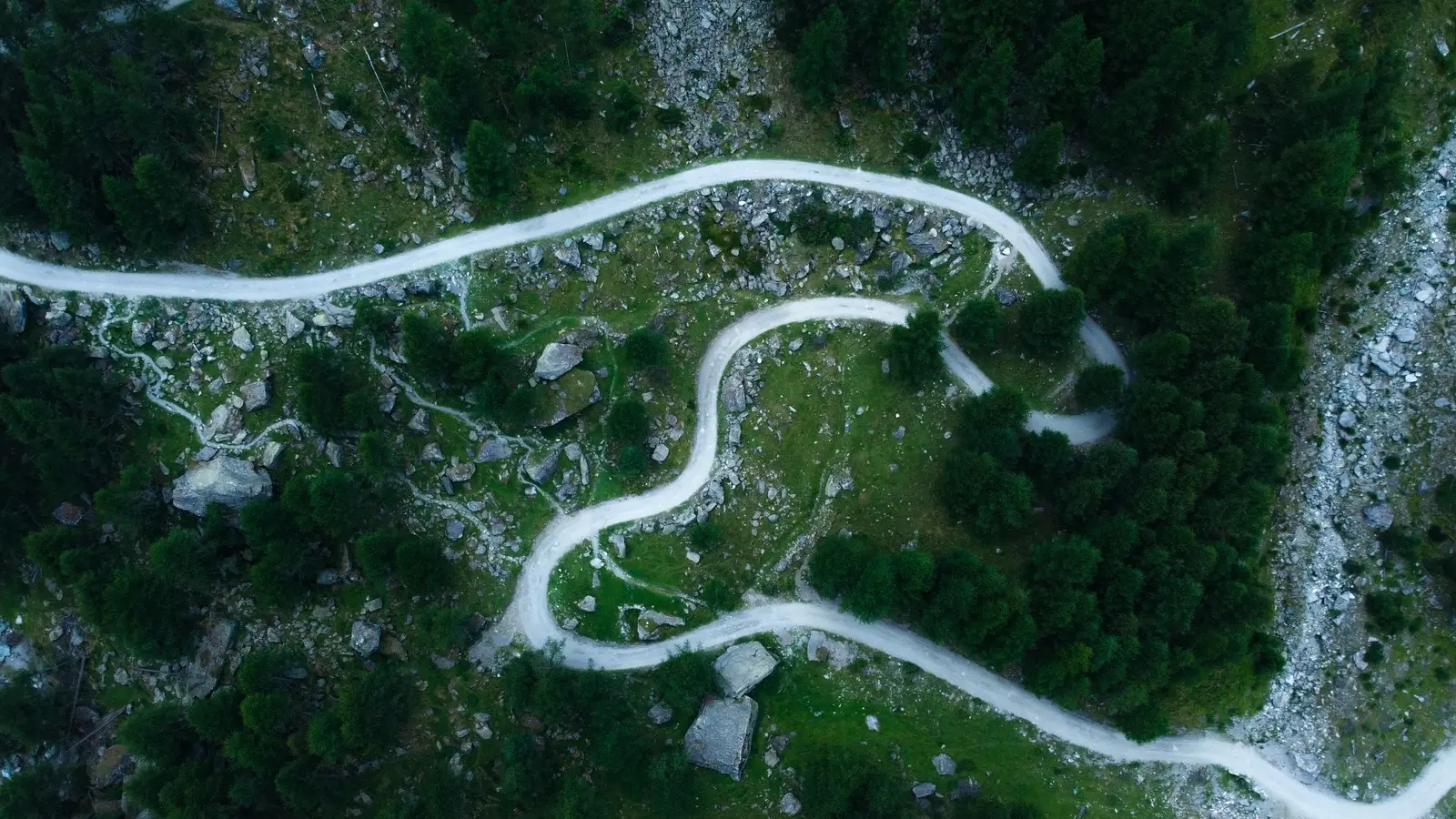
Ask ten riders to name a twisty road and they will all say the same one. Ask them what makes it twisty and you get ten different answers. A map app does not get to wave its hands. It has to turn “twisty” into a number.
Here is how that works, and why it matters when you are choosing an app.
MotoRidez plans twisty or off-road routes. Pick your road type, and the routing follows.
It starts with the shape of the road
Every road on a map is a line made of lots of tiny points. On a straight road the points all line up. On a twisty road they zigzag around.
So the app walks along the line and checks how much the direction changes from one bit to the next. Add that up, divide by the length of the road, and you have a measure of how much it bends per kilometre.
A flat highway barely bends at all. A good mountain road bends a lot. A road full of hairpins bends like crazy.
That one idea is behind most “twistiness scores” you will see.
Why counting corners fools you
Here is the catch. Two roads can bend the same amount in total and ride completely differently.
One has long, fast sweepers you can lean through in third gear. The other has tight switchbacks that have you down in first. A simple score sees them as twins. Your wrists know better.
So smarter apps look at how sharp each bend is, not just how many there are. A tight hairpin counts a lot. A lazy sweeper counts a little. A barely-there kink counts for almost nothing, which is fair, because you would not call that a corner.
That is also how an app can offer different moods: flowing, technical or somewhere in between.
What twistiness does not know
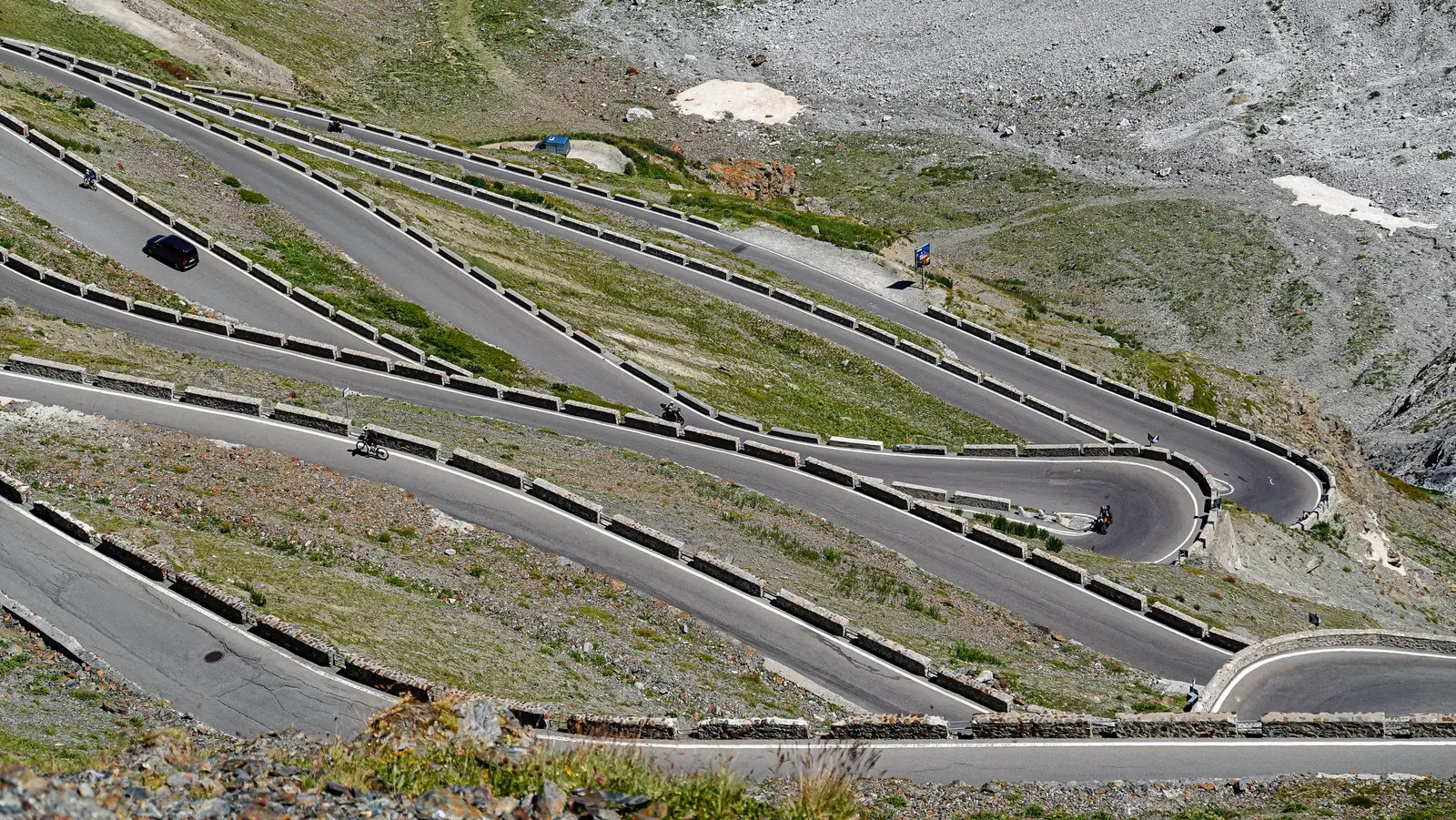
If an app only chased bends, it would send you down some terrible roads. A good route also needs to think about:
- What kind of road it is. A housing estate can be very twisty and very much not what you wanted.
- The surface. Shape says nothing about whether it is paved. A gravel track with a hundred corners looks fantastic on paper and is a bad idea on a road bike. That is why we make gravel roads a choice and not a surprise.
- Width and traffic. A one-lane farm road with blind crests is twisty, but not in a fun way.
- Hills. A road that climbs is usually a better ride than the same bends on flat ground.
- Direction. Plenty of roads are better one way than the other. Apps almost never know this.
Why two apps pick different roads
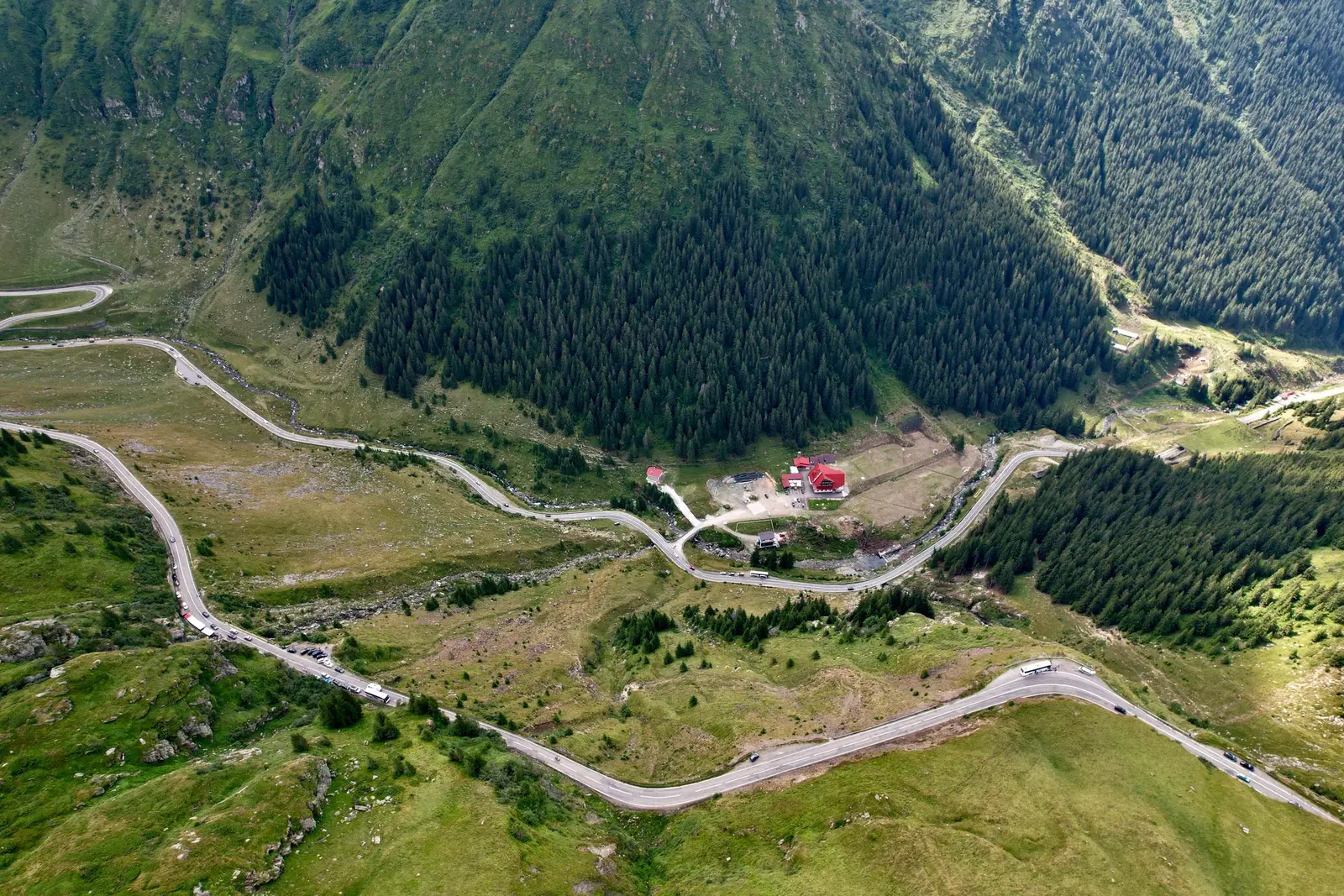
The roads are the same. The opinions are different.
Each app has to decide things like: how bad is a motorway compared with a back road? Is a really twisty road worth a long detour? Should it avoid towns, or go through them because that is where the fuel is? How much gravel is too much?
Different teams answer those differently, usually by testing on roads they know, so you end up with different routes. The quickest way to find the app you like is to try a few on a road you already love. If one sends you down your favourite, it thinks like you.
Maximum is not best
New riders often crank twistiness to the top and end up slightly disappointed. At the top end:
- You go slowly. A 120 km route can take three hours.
- The app starts picking tiny roads, with gravel, gates and blind crests.
- It becomes work. Concentration fades and the last hour is no fun.
- Fuel gets awkward, because you cover far less ground per tank than it feels like.
Most riders settle one notch below maximum: plenty of bends to be the point of the day, with enough flow to find a rhythm. The planning guide shows how to find your setting.
The one thing twistiness cannot tell you
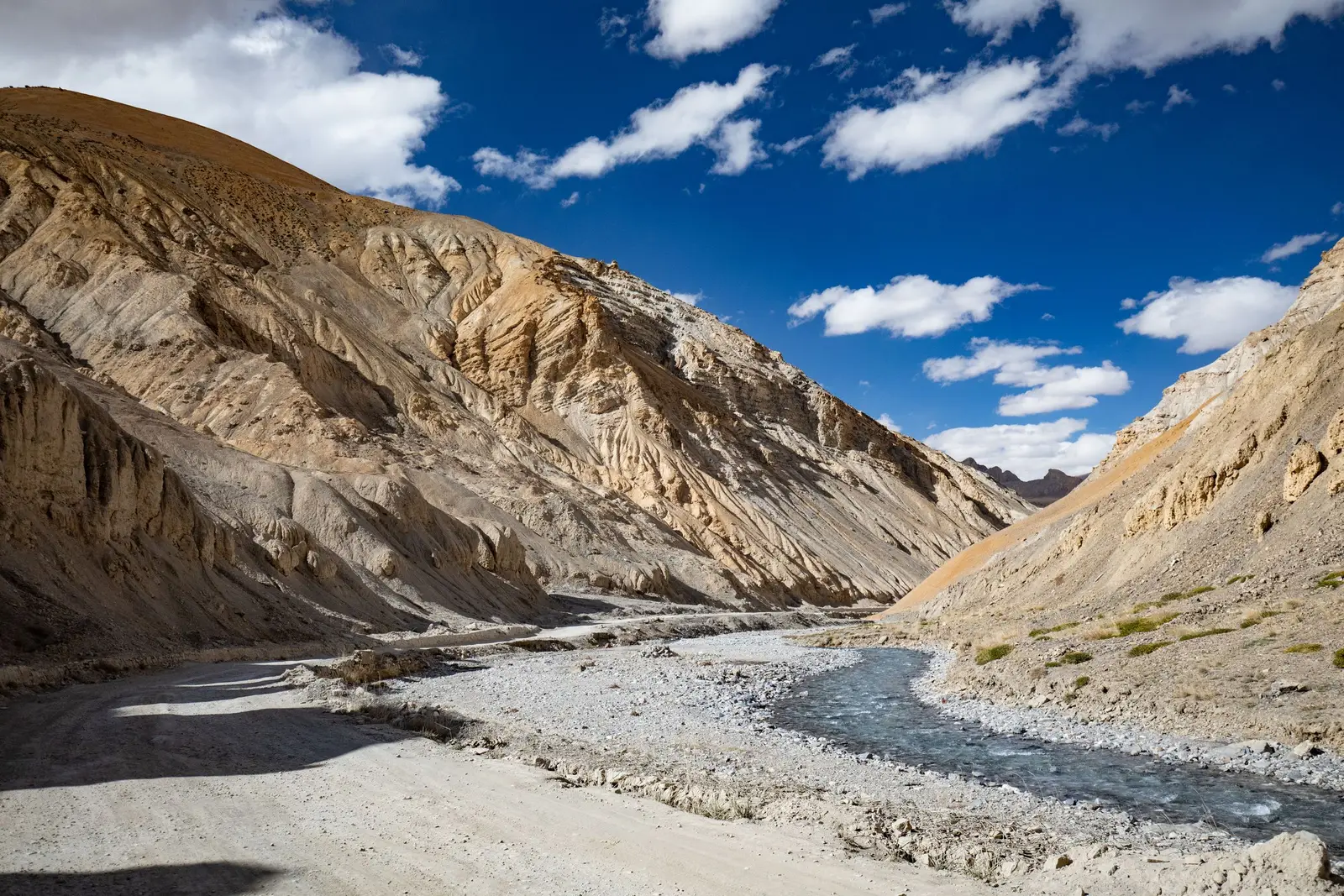
A road’s shape never changes. The best twisty road near you scores the same today as it did the first time you rode it, so an app will keep suggesting it, forever.
But by the twelfth time you do not need the perfect road. You need a new one.
That is why our planner also asks a different question: have you ridden this road? Roads on your ridden-roads map can be marked as already done, so it goes looking for a road you have never turned onto. Maybe it is a touch less twisty, but on the day it is a better ride than the one you know by heart.
Twistiness tells you which roads are good. Memory tells you which good road is next.
Questions riders ask
How does an app know how twisty a road is?
It looks at the road's shape on the map and measures how much it bends along its length. A straight road scores low, a mountain road with lots of bends scores high, and tight corners count for more than gentle ones.
Why do two motorcycle apps send me different ways on the same roads?
Each app has its own idea of a good ride. One might love big sweeping bends and avoid main roads, another might chase tight corners. Neither is wrong, they just have different tastes.
Is a twistier route always better?
No. Turn the twistiness all the way up and you tend to get slow, tiring roads, sometimes gravel. Most riders prefer one notch below the maximum.
Does twistiness take the road surface into account?
It should. The shape of a road says nothing about whether it is paved or gravel, so a good app checks the surface separately and does not send you onto a dirt track by surprise.
Free, no subscription
Plan the curvy bits. Record the ride.
Watch your
map fill in.
Curvy routing, turn-by-turn voice navigation, ride recording and your ridden-roads map, with nothing behind a paywall.
Join the waitlist
Bring MotoRidez to your roads
The more riders register from your region, the sooner we get there. Put your name down, then send it to your ride group to move your region up the queue.
You're on the list ✓
Nice — you're in the queue
Every rider you bring moves your region up the list. Share it with your mates and your ride groups.